

MEN'S HEALTH · HORMONES · 6 MIN READ
When the thought stops arriving: what is actually happening to male desire after 35
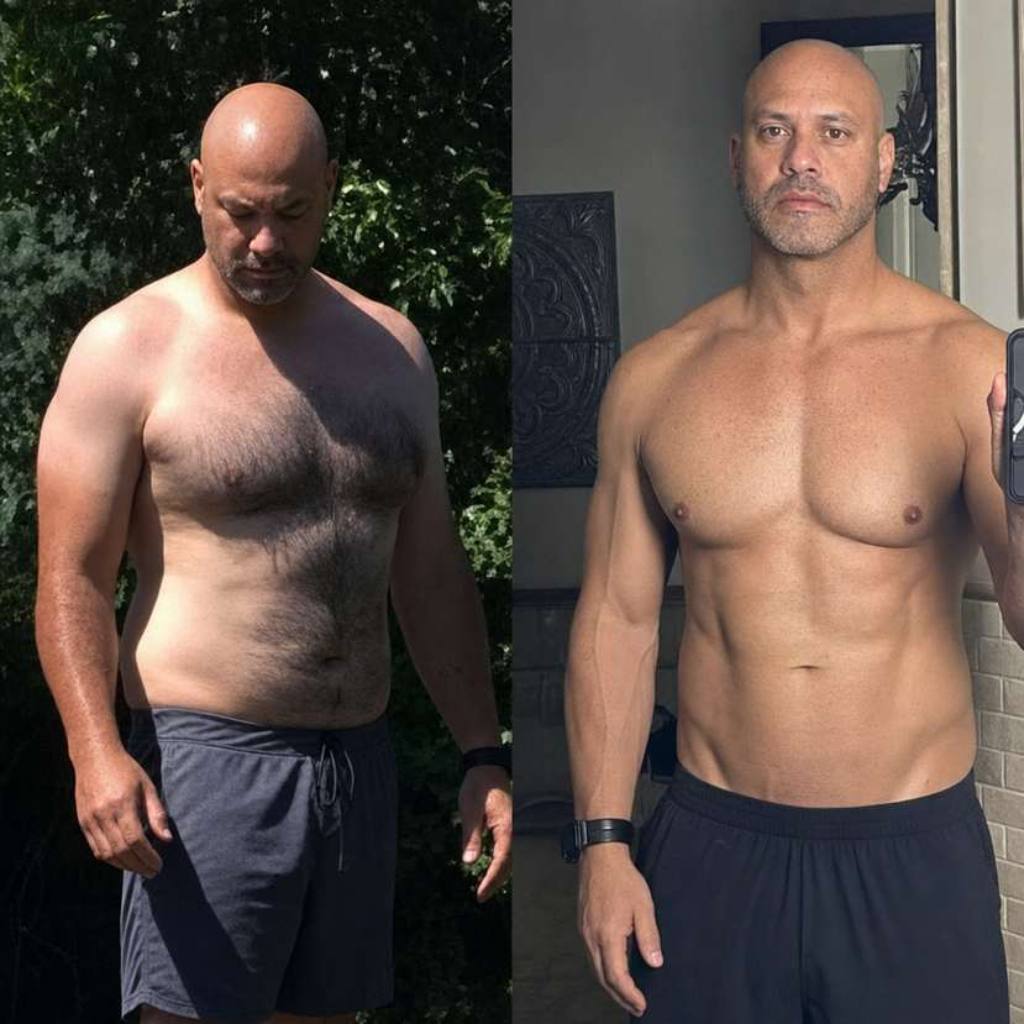
The complaint arrives in almost the same words every time. You have not gone off your wife. You are not looking elsewhere. The sexual thoughts simply stopped arriving — and you did not notice them go until somebody else did.
If that is familiar, start with the list below rather than with the explanation.
Which signs actually mean something
Worth grounding this in something. The European Male Ageing Study tested thirty-two candidate symptoms against measured testosterone in 3,369 men aged 40 to 79. Only nine held up — and three of those carried most of the weight.
The three that matter most. All three are sexual, which is exactly why they go unreported and unasked.
Morning erections have become less frequent. This is the most useful sign there is, because it is involuntary. Nothing about mood, effort or how the day went can produce it or prevent it — which is why it is the one clinicians ask about first.
Sexual thoughts arrive less often. Not turning anything down. The thought itself simply comes up less than it used to.
Erections are less strong than they were.
If you are reading this page, you have probably just recognised yourself in all three. That matters more than it feels like it should: those three together, with a blood reading below about 11 nmol/L, are the formal criteria that study landed on.
Then the six that support them: loss of energy, fatigue, low mood, and a drop in what your body will physically do — vigorous activity, walking any distance, and bending or kneeling without having to think about it.
And the everyday ones from the questionnaire GPs actually screen with. Men recognise these instantly, having never once connected them to a hormone: falling asleep after dinner. Strength and endurance down. Worse at your sport than you were. Worse at work than you were. Short with people who did not deserve it. Less enjoyment from things you used to enjoy.
And the ones men mention when they finally say it out loud:
You cannot remember the last time you initiated anything sexual.
She has asked if something is wrong — or asked whether it is her.
Body hair thinning — legs, chest, and needing to shave less often than you did five years ago. Most men notice it first on the shins, where socks sit, and blame the socks.
One caveat, and take it seriously. If the hair loss is clearly worse on one leg than the other, or it comes with cramping in your calves when you walk that eases when you stop, that is a circulation question rather than a hormone one. See a GP about that specifically, and do not wait.
In that position almost every man reaches one of two conclusions about himself: that he has gone off his wife, or that something is wrong with him as a man. You have probably reached one of them yourself.
The list above is why both are usually wrong. Sexual desire does not go on its own. It goes alongside body hair, energy, temper, sleep and what training gives back — because every one of those runs off the same hormone. When several move together the cause is upstream of all of them, and it is not a verdict on your marriage or on you.
Why it is not in your head
Desire in men is not produced in the body and reported to the brain. It runs the other way. Testosterone acts on the brain directly, and it is that action — not anything happening below the waist — that produces wanting.
Which is why what you noticed first is not failure but absence. Nothing is broken. The thought just never arrives.
The instruction runs back the other way on the same wire: brain signals, testes produce, testosterone acts back on the brain. Two ways to jam it — suppress the signal, or slow the factory it is shouting at. Most men who have lost their drive have both sides jammed.
The first brake: cortisol
Cortisol shuts the instruction down at source, because a body reading sustained threat has no reason to fund reproduction. Three things raise it: chronic stress, poor sleep, and — the one nobody mentions — aggressive dieting.
Sleep alone will do it. In JAMA in 2011, Leproult and Van Cauter restricted ten healthy young men to five hours a night for one week. Daytime testosterone fell 10 to 15 per cent — far more, the authors noted, than the one to two per cent a year lost to normal ageing. One week, in men in their twenties.
Now apply that to yourself at forty, three years into six hours a night, calling it adult life.
The second: the production line
Testosterone is made in the testes, and the first step happens inside the mitochondria — the engines inside the cell. Cholesterol has to be carried in and converted to testosterone, and every step afterwards waits on that one. It is the bottleneck, and it runs on energy, so it is the first thing to slow.
And if you are carrying weight round the middle it compounds, because fat tissue produces an enzyme called aromatase that converts testosterone into oestradiol — the main form of oestrogen — and the brain reads that as a reason to lower the signal further. It is the same conversion bodybuilders on performance-enhancing drugs spend money blocking — except their problem is far too much testosterone, and yours is too little of what you make surviving the trip.
Two places to intervene, then. Neither of them is willpower.
About a minute. It maps your answers against the two brakes above and tells you which one is more likely yours. No email needed.
What has been tested
That is the whole shortlist, and it covers both brakes. Purified shilajit for production, because its active fraction works at the level of the mitochondria, which is exactly where the bottleneck is. KSM-66 ashwagandha for cortisol, because it is the most heavily trialled ashwagandha extract there is and that cortisol result is the strongest in the category.
Those two carry the load, and they are the two with human trials behind them. What sits alongside them matters far less than how those two are dosed — which is the question almost nobody in this category wants asked.
Three things tell you whether a formula is serious, and none of them is how long the list is. Is the working ingredient named by its actual extract rather than just its plant — KSM-66, not simply “ashwagandha”? Is the amount printed on the front of the tub, or buried inside a “proprietary blend” where nobody can check it? And is that amount anywhere near what the trial used? Most of this category fails all three at once. A tub can carry twelve ingredients and still fail every one of them, which is exactly why the length of the list is the thing they put on the front.
The dose is where this is won or lost
Here is the number almost nobody prints on the front of the tub.
That trial produced its result on 500 mg of purified shilajit a day. Most shilajit sold in this category sits in the low hundreds of milligrams — priced against the trial, dosed at a fraction of it. That is the commonest reason a man tries shilajit, feels nothing, and writes the whole category off.
The formulations worth taking run well above it.
The middle one of those is not a formality. Shilajit is a raw resin scraped off rock at altitude, and unpurified it carries exactly those four metals. The more of it you take, the more that matters — which is why dose and testing are one question rather than two.
And ask for the right certificate: not one for a batch made two years ago, but the batch number on the tub in your hand. Most brands cannot produce that, which is exactly why they would rather talk about anything else.
What comes back, and in what order
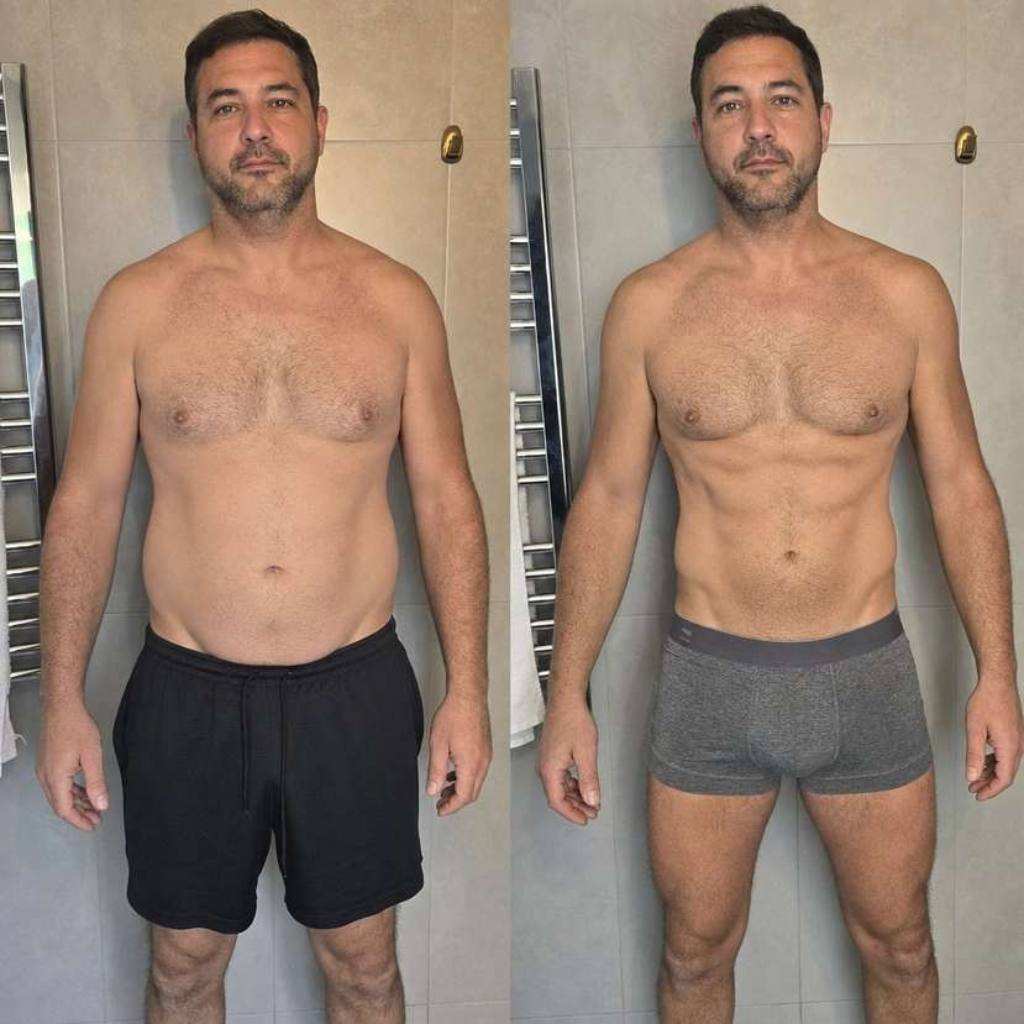
Men who respond describe it in a consistent order, and it is not the order the advertising suggests.
Weeks one to three. Morning erections return, and this is the one men mention first — because it is involuntary. It cannot be imagined or talked into existence, which is exactly what makes it the most honest early signal there is. The half-one crash usually goes at the same time.
Weeks four to six. Desire starts arriving again, unprompted. That is the thing that actually went missing, and men describe its return as the point they stopped wondering whether the problem was their marriage. Confidence follows it rather than the other way round — when you are wanting again, you start initiating again.
Weeks six to eight. Recovery between shortens, and training starts giving something back. Put more simply: feeling like your old self again.
Three to six months. Body composition, last as always. Most men have stopped measuring by then.
The most common thing partners report is noticing before they were told anything.
The questions men actually ask
Is it my head or my hormones? Often both, and they feed each other. But there is a tell. Loss of desire that is psychological is usually situational — absent with a partner, present elsewhere. Hormonal suppression is flat everywhere at once, and it arrives with the rest of the list above. If it is only in the bedroom, look at the relationship first. If it is everywhere, get a blood test before you conclude anything about your marriage.
I'm on an antidepressant. Is that it? Quite possibly, and that is worth knowing before you spend money on anything else. SSRIs reduce libido in a large minority of men, and it is dose-related and reversible. Speak to whoever prescribed it. Never stop one on your own.
Should I just go on TRT? A decision for you and a doctor, but know the trade: it replaces your production, suppresses your own, usually ends your fertility while you are on it, and is permanent. The shilajit trials found the opposite. In the UK, privately, that is roughly £250 to £500 to get started once consultation and bloods are counted, and £50 to £150 a month after that, for as long as you stay on it.
Will ashwagandha flatten me? A minority report feeling levelled out rather than sharpened. It is real and nobody here mentions it. If it happens to you, stop.
And one caution worth more than most marketing. In a 2019 trial in American Journal of Men's Health, a different ashwagandha extract at a different dose raised testosterone 14.7% in overweight men aged 40–70 — with no significant improvement in fatigue, vigour or sexual wellbeing. Same plant, different extract, different dose, different outcome. What decides which one you get is the extract and the milligrams, not the marketing.
Where to start
If the thought has stopped arriving, and it has been months rather than weeks, the next step is not a conversation about your marriage. It is a number. A private panel costs around forty pounds, comes back inside a week, and tells you whether there is anything hormonal here at all.
The assessment below maps your symptoms against the two brakes above and tells you which one is more likely driving yours. About a minute, and no email needed to see the result.
Straight to the transformations, the bloodwork and the full ingredient breakdown.
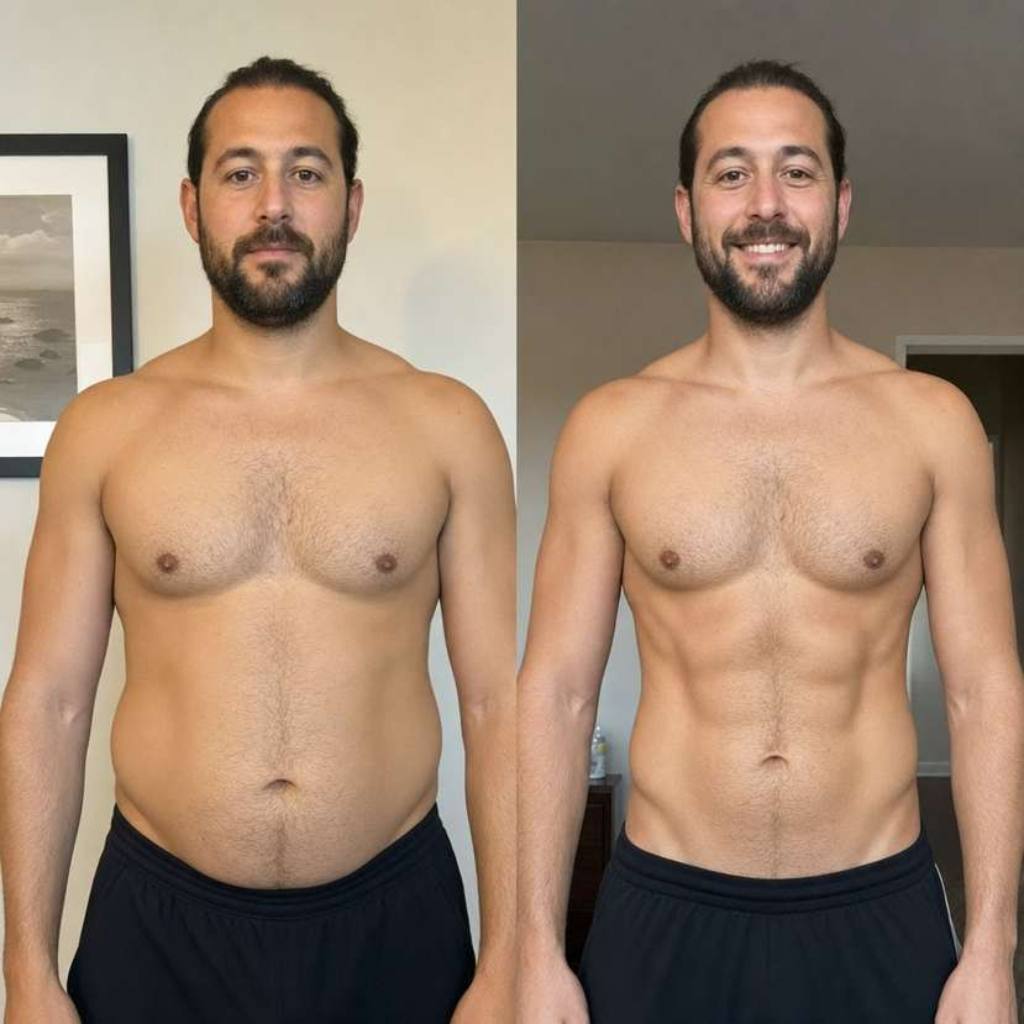
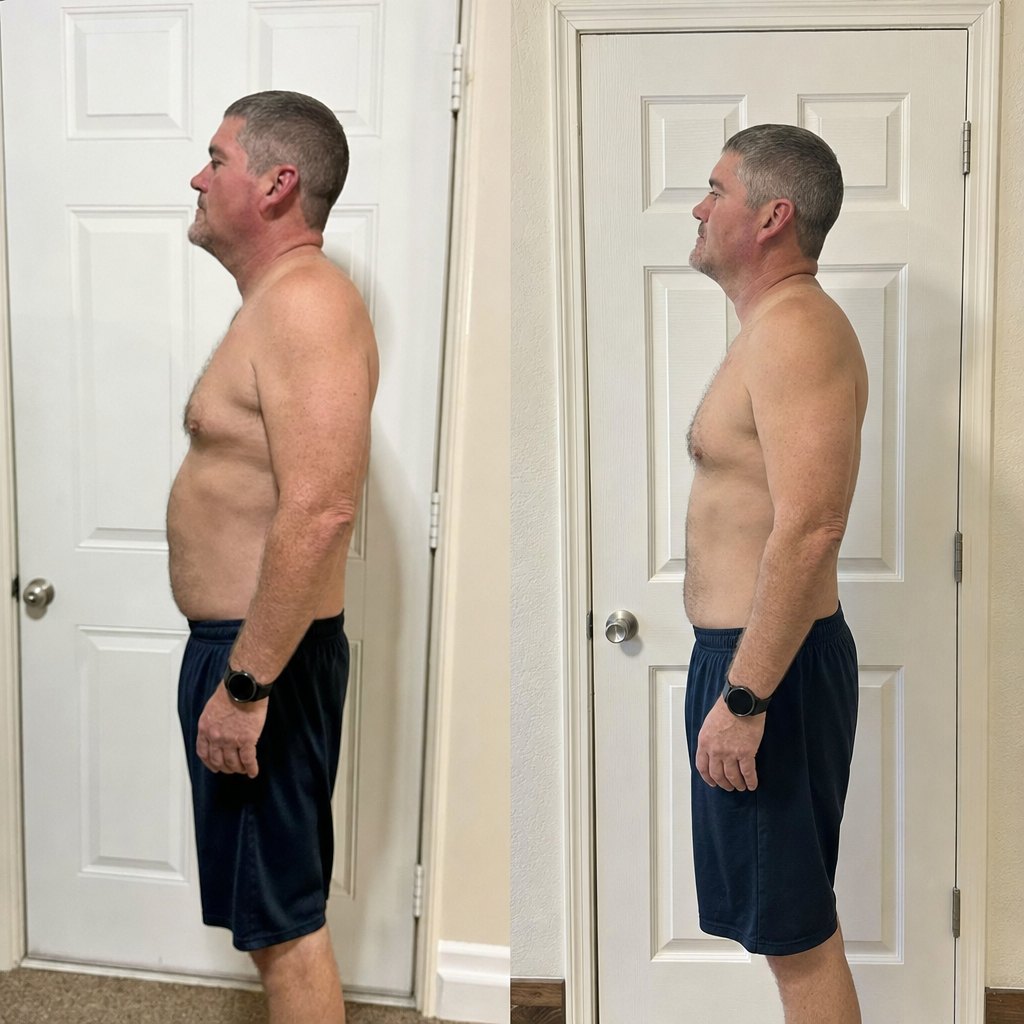
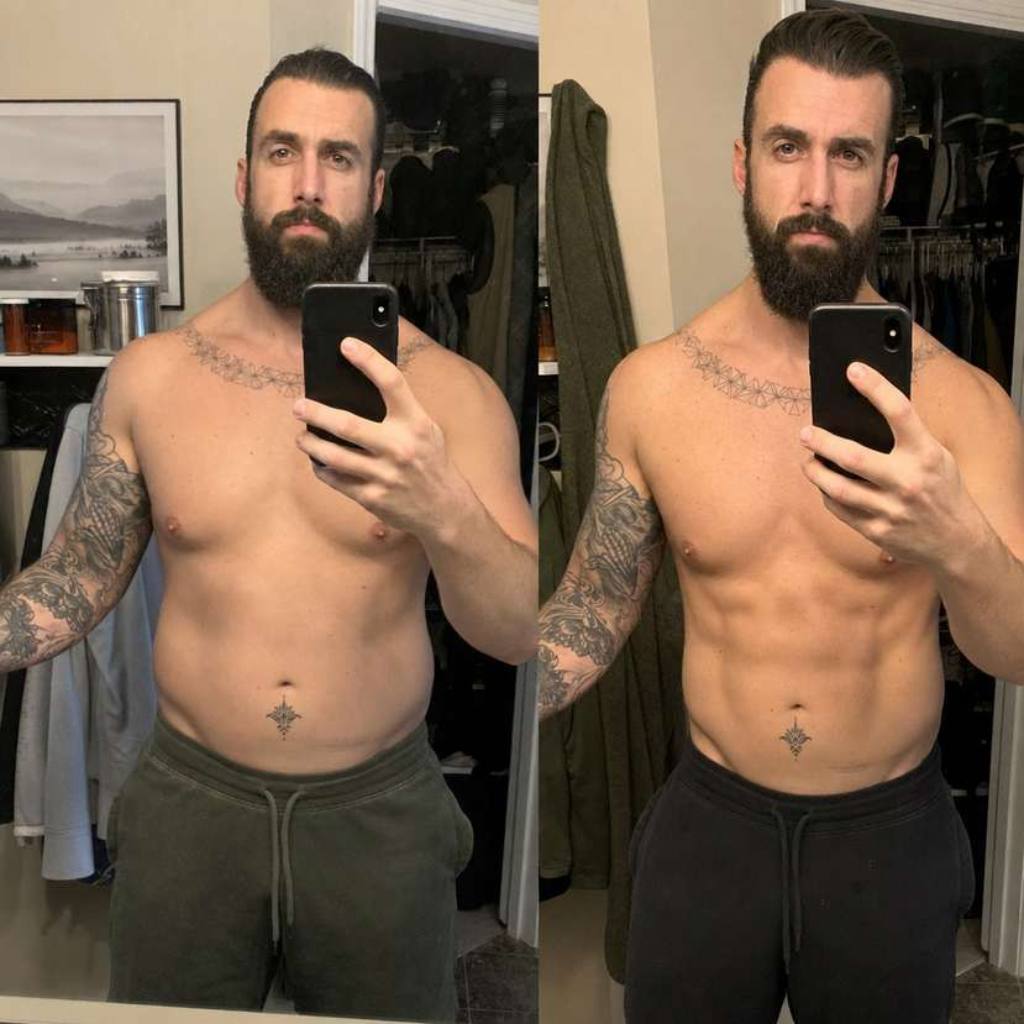
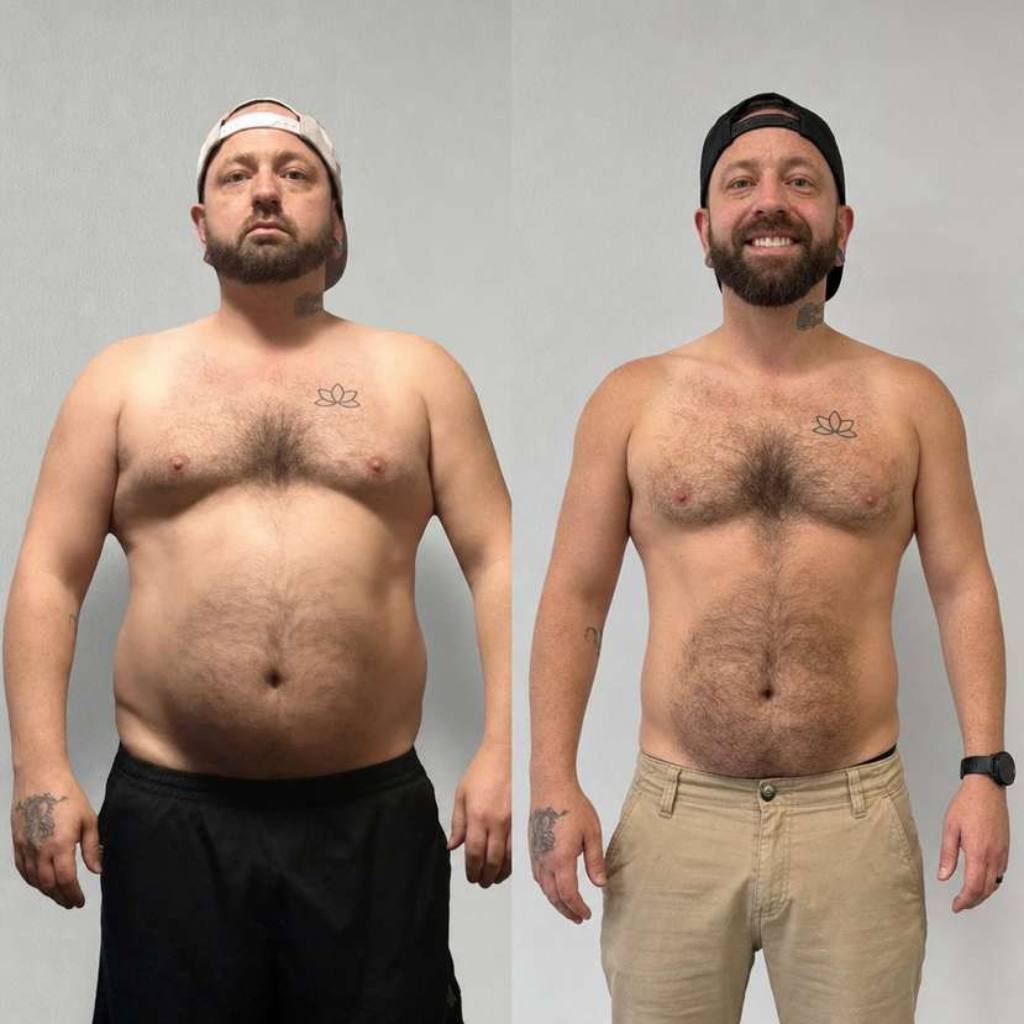
Educational content. Not medical advice and not a diagnosis. Before and after photographs are customers, supplied by them and used with permission; blood values are self-reported from their own panels and results vary from man to man. Food supplements are not a substitute for a varied diet or for medical care. If your symptoms persist, see your GP and ask for bloodwork.